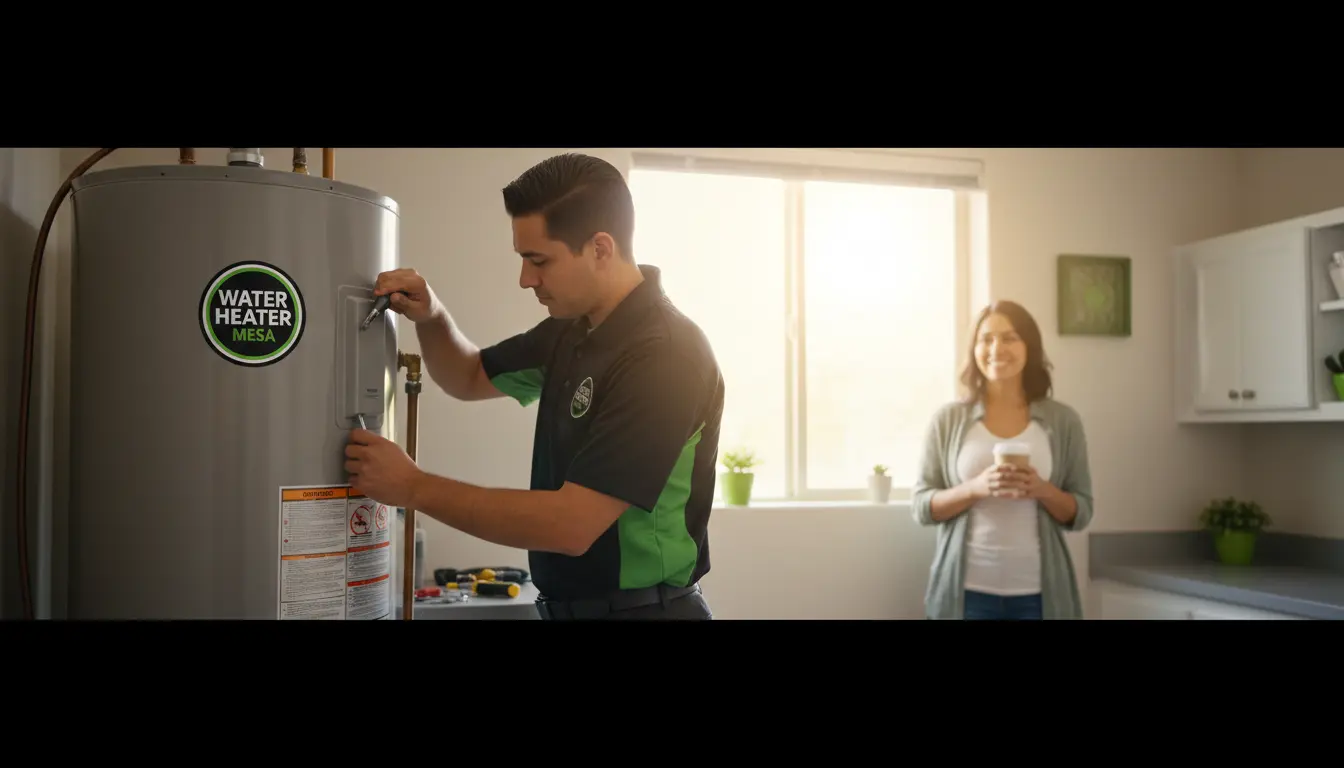
Living in Mesa, Arizona, means dealing with scorching summers and hard water that can wreak havoc on your home appliances. Your water heater, working overtime to provide hot showers and clean dishes, is especially vulnerable. But what if you could add years to its lifespan without calling a pro every time? In this guide from Water Heater Repair Mesa, we’ll share five practical DIY tips to keep your water heater running efficiently. These simple steps can save you money on energy bills and prevent costly breakdowns, all while navigating the unique challenges of our desert environment. Whether you’re in the heart of Mesa or nearby neighborhoods, these tips are designed for local homeowners.
Why Your Water Heater Needs Extra Care in Mesa
Mesa’s arid climate and mineral-rich water supply accelerate wear and tear on water heaters. Sediment buildup from hard water is a common culprit, reducing efficiency and shortening lifespan. According to industry experts, a well-maintained water heater can last 8-12 years, but neglect in our hot conditions can cut that in half. By following these DIY strategies, you’ll not only extend its life but also lower your utility costs—crucial when Arizona summers push AC units to the limit.
Before diving in, remember: while DIY is great for maintenance, complex issues like a failing anode rod installation should be handled by professionals. If you’re in Scottsdale or surrounding areas, our team at Water Heater Repair Mesa is just a call away.
Tip 1: Flush Your Water Heater Annually to Combat Sediment Buildup
The Problem with Mesa’s Hard Water
Mesa’s water comes from sources like the Salt River, loaded with calcium and magnesium that form sediment in your tank. This buildup insulates the heater, forcing it to work harder and use more energy.
How to Flush It Yourself
- Turn off the power or gas to your water heater.
- Connect a garden hose to the drain valve at the bottom of the tank.
- Run the hose to a safe drainage spot, like an outdoor floor drain.
- Open the valve and let the water flow until it’s clear—this might take 20-30 minutes.
- Flush with cold water by turning on a hot faucet elsewhere in the house to stir up more sediment.
Do this once a year, ideally in spring before summer heat ramps up demand. Homeowners in Superstition Springs report noticeable improvements in water pressure and temperature consistency after regular flushing.
If sediment is too stubborn, consider our expansion tank installation service to protect your system long-term.
Tip 2: Insulate Your Water Heater Tank for Energy Savings
Battling Heat Loss in Desert Homes
In Mesa’s fluctuating temperatures—from 110°F days to cooler nights—uninsulated tanks lose heat rapidly, spiking your energy bills. Insulation acts like a cozy blanket, keeping the water hot with less effort from the heater.
Step-by-Step Insulation Guide
- Purchase a water heater blanket from a local hardware store (foam or fiberglass, about $20-30).
- Measure your tank’s height and diameter.
- Cut the blanket to size and wrap it around the tank, securing with tape. Avoid covering the thermostat or pressure relief valve.
- For gas heaters, ensure the blanket doesn’t block the burner area.
This DIY fix can cut standby heat loss by up to 25%, per the U.S. Department of Energy. It’s especially beneficial for families in Bella Vista, where older homes often have outdated appliances.
Pro tip: If your electric model needs tuning, our electric water heater service can optimize it further.
Tip 3: Adjust the Thermostat to Optimal Settings
Finding the Sweet Spot for Efficiency
Factory settings on many water heaters are too high, wasting energy and risking scalding. In Mesa, where water is already warm, you don’t need extreme temperatures.
Adjusting Your Thermostat Safely
- Locate the thermostat dial (upper and lower for most tanks).
- Set it to 120°F—hot enough for showers but safe and efficient.
- Use an oven thermometer in a glass of hot water to verify the output.
- Monitor for a week and tweak if needed.
Lowering by 10°F can save 3-5% on energy, adding up to $50-100 yearly for average households. If DIY adjustments feel tricky, schedule our thermostat adjustment service for peace of mind.
Local insight: Mesa residents in San Tan Ranch often overlook this, leading to higher SRP bills—don’t let that be you!
Tip 4: Inspect and Replace the Anode Rod Periodically
Protecting Against Corrosion
The anode rod sacrifices itself to prevent tank rust, but in Mesa’s mineral-heavy water, it corrodes faster. A depleted rod means a rusty tank and potential leaks.
DIY Inspection Process
- Shut off power/gas and water supply.
- Use a socket wrench to unscrew the rod from the top of the tank.
- Check for pitting or thinning—if more than 6 inches of core is exposed, replace it.
- Install a new magnesium or aluminum rod, tightening securely.
Inspect every 2-3 years; replacement costs $20-50 for the part. This tip alone can double your heater’s life. For those in Fountain Hills, where water quality varies, it’s a game-changer.
If you’re not comfortable with this, our experts handle anode rod installation quickly.
Tip 5: Insulate Hot Water Pipes to Reduce Wait Times
Minimizing Energy Waste in Your Plumbing
Exposed pipes in attics or walls lose heat before hot water reaches your faucet, especially in Mesa’s large, sprawling homes.
Easy Pipe Insulation Steps
- Buy foam pipe sleeves or fiberglass wraps.
- Slide or wrap them around hot water lines from the heater onward.
- Secure with tape or zip ties, focusing on the first 10 feet.
- Insulate the cold inlet pipe too for better circulation.
This reduces wait times by half and saves energy—perfect for busy mornings. Combine with regular maintenance to keep everything humming.
If a sudden issue arises, like a burst pipe from poor insulation, reach out for emergency water heater repair to avoid water damage.
FAQ: Common Questions About Water Heater Maintenance in Mesa
How Often Should I Maintain My Water Heater in Mesa?
Aim for annual flushing and bi-annual visual checks. Mesa’s hard water means more frequent sediment removal—every six months if you notice discolored water.
Can DIY Tips Really Extend My Water Heater’s Life?
Absolutely! Studies show proper maintenance adds 5+ years. However, for gas or electric specifics, consult pros like Water Heater Repair Mesa.
What If My Water Heater Starts Leaking After These Tips?
Stop use immediately and call for emergency water heater repair. Leaks often signal deeper issues.
Is It Safe to DIY in Older Mesa Homes?
Yes, for basic tasks, but older wiring or plumbing might need a pro. We serve all of Mesa and beyond, including Scottsdale.
How Does Mesa’s Climate Affect Water Heaters?
High heat increases corrosion, and low humidity dries out seals. Insulation and flushing are key countermeasures.
Conclusion: Take Control of Your Water Heater Today
Implementing these five DIY tips—flushing sediment, insulating the tank, adjusting the thermostat, checking the anode rod, and wrapping pipes—can transform your water heater from a ticking time bomb into a reliable workhorse. In Mesa’s demanding environment, proactive care pays off in savings and convenience. But remember, while DIY goes a long way, nothing beats expert intervention for peace of mind.
At Water Heater Repair Mesa, we’re your local specialists, serving neighborhoods from Superstition Springs to Fountain Hills. Ready to extend your water heater’s life or need immediate help? Contact us today for a free inspection and keep your home running smoothly. Call now—your future self (and wallet) will thank you!
(Word count: 1,248)