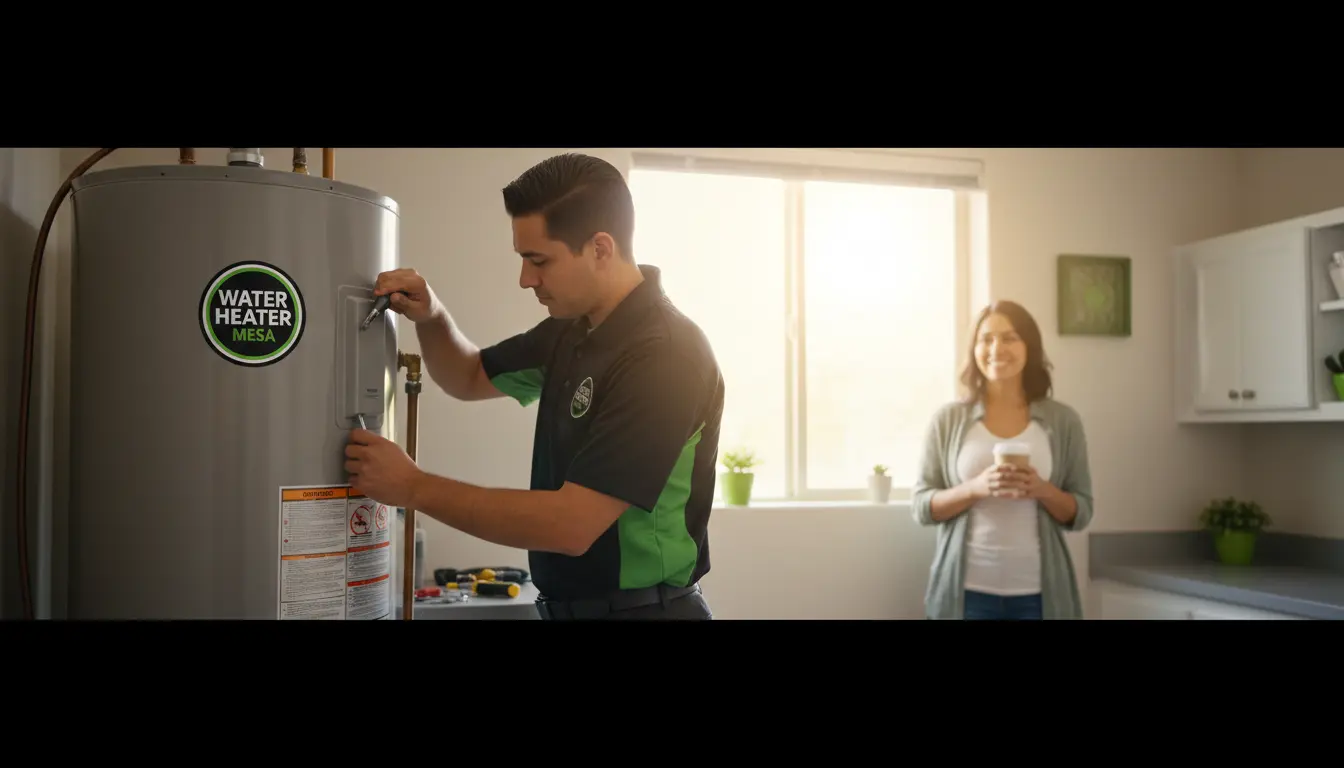
Imagine this: It’s a scorching summer morning in Mesa, Arizona, and you’re rushing to get ready for work. You turn on the shower, only to be hit with a blast of icy water. Your water heater has given up without warning. For residents in neighborhoods like The Groves or Las Sendas, where hard water and intense heat accelerate wear and tear, this nightmare is all too common. At Water Heater Repair Mesa, we’ve seen it all—sudden breakdowns that disrupt daily life and lead to costly emergencies.
But here’s the good news: Most water heater failures don’t happen overnight. By recognizing the early warning signs, you can take proactive steps to prevent disaster. In this comprehensive guide, we’ll walk you through the top 8 indicators of impending failure, offer practical tips for maintenance, and explain why local factors in Mesa play a big role. Whether your unit is a traditional tank model or a modern hybrid, staying vigilant can save you time, money, and frustration. Let’s dive in and arm you with the knowledge to keep hot water flowing smoothly.
Why Water Heaters Fail in Mesa’s Harsh Climate
Mesa’s desert environment is tough on appliances. With temperatures soaring above 100°F in summer and hard water loaded with minerals from the Salt River Project, water heaters face constant stress. Sediment buildup from minerals clogs tanks faster here than in softer water regions, reducing efficiency and lifespan. The average water heater lasts 8-12 years, but in Mesa, neglect can shorten that to just 5-7.
The Impact of Hard Water on Your System
Hard water deposits calcium and magnesium, forming limescale that insulates heating elements and corrodes pipes. This not only hikes your energy bills but also strains the system, leading to premature failure. Regular flushing is key—aim for every six months. If you’re noticing efficiency drops, consider our energy efficient upgrades to combat these local challenges and qualify for rebates.
Pro Tip: Test your water hardness with a simple kit from a hardware store. Levels above 7 grains per gallon scream for a softener installation to extend your heater’s life.
The 8 Warning Signs You Can’t Ignore
Spotting these signs early allows for timely repairs rather than full replacements. We’ll break down each one with symptoms, causes, and actionable advice tailored to Mesa homeowners.
1. Inconsistent Water Temperature
One of the first red flags is water that’s scalding hot one minute and lukewarm the next. This fluctuation often stems from a failing thermostat or heating element, especially in older units battered by Mesa’s temperature swings.
Why It Happens: Thermal expansion from hot days can stress components, causing them to wear out unevenly.
What to Do: Check your thermostat settings—set it to 120°F for safety and efficiency. If issues persist, avoid DIY fixes; call professionals for a diagnostic. In areas like San Tan Valley, where demand spikes in winter, scheduling routine checks prevents surprises.
2. Strange Noises from the Tank
If your water heater sounds like it’s rumbling or popping like a popcorn machine, it’s trying to tell you something. These noises, often called "water hammer" or sediment boiling, indicate buildup at the bottom of the tank.
Mesa-Specific Insight: Our mineral-rich water exacerbates this, turning routine operation into a symphony of distress.
Actionable Advice: Drain and flush the tank annually to remove sediment. For persistent sounds, our burner assembly cleaning service can restore quiet operation without hassle.
3. Visible Leaks Around the Unit
Puddles under your water heater? That’s a major SOS. Leaks can come from corroded tanks, loose fittings, or faulty valves—issues that worsen with age and poor maintenance.
Practical Tip: Place a shallow pan beneath to catch drips and monitor levels. Never ignore this; even small leaks can lead to flooding in compact Mesa homes.
If corrosion is the culprit, explore our rusty water solution for comprehensive fixes that address the root cause.
4. Discolored or Rusty Water
Turning on the tap to find brownish, rusty water is alarming and points to internal corrosion. In Mesa’s hard water conditions, this accelerates tank degradation.
Why It Matters Locally: Iron and minerals react with the anode rod, producing rust that taints your supply.
What to Do: Install a sediment filter at the inlet. For advanced corrosion, professional inspection is essential—don’t risk health hazards from contaminated water.
5. Reduced Hot Water Supply
Not getting enough hot water for your morning routine? This could signal a failing dip tube or sediment blocking flow, common in high-use households in Queen Creek Estates.
Tip: Insulate your pipes to maintain temperature, especially during chilly desert nights. If the problem lingers, it might be time for a hybrid water heater service upgrade for better capacity.
6. Rising Energy Bills Without Explanation
Suddenly paying more on your APS bill? Your water heater might be working overtime due to inefficiency from scale buildup or insulation loss.
Mesa Angle: Summer AC use masks this, but winter reveals the truth.
Advice: Track usage with a smart monitor. Energy audits can pinpoint issues—consider financing through our replacement financing options if a new, efficient model is needed.
7. Age of the Water Heater
If your unit is over 10 years old, it’s in its twilight years. Manufacturers recommend replacement around this mark, especially in demanding climates like ours.
Pro Tip: Check the manufacture date on the label. For units pushing 12+ years in Corona Del Sol, proactive replacement avoids breakdowns during peak monsoon season.
8. Pilot Light or Ignition Problems
For gas models, a frequently extinguishing pilot light signals thermocouple failure or drafts—exacerbated by Mesa’s windy conditions.
Safety First: Never relight repeatedly; gas leaks are a risk. Shut off the supply and call experts immediately.
Maintenance Hack: Ensure proper ventilation around the unit to prevent soot buildup.
Practical Tips for Preventing Water Heater Failure
Prevention is your best defense. Start with a semi-annual inspection: Check for leaks, test the pressure relief valve, and flush the tank. In Mesa, where water quality varies, installing a water softener can cut maintenance needs in half.
Invest in protective anode rods—they sacrifice themselves to prevent tank rust. For families in growing suburbs like San Tan Valley, sizing your heater correctly during installation avoids overload.
If you’re handy, learn to bleed air from lines for better pressure. But for complex issues, trust licensed pros to handle electrical or gas components safely.
FAQ: Common Questions About Water Heater Warning Signs
How Often Should I Inspect My Water Heater in Mesa?
At least twice a year, aligning with spring and fall. Mesa’s hard water means more frequent checks—every four months if you notice early signs.
Can I Fix Leaks Myself?
Minor fittings, maybe, but tank leaks usually require professional replacement. DIY attempts can void warranties or cause hazards.
What’s the Average Cost of Water Heater Repair in Mesa?
Repairs range from $150-$500, depending on the issue. Prevention saves big—full replacements start at $800.
Are Tankless Water Heaters Better for Mesa Homes?
Yes, they handle hard water better and save energy. Our energy efficient upgrades include options tailored to local needs.
How Do I Know If My Water Heater Needs Replacement?
If it’s over 10 years old with multiple signs like leaks and noises, replace it. Financing makes it affordable—contact us for a free quote.
Conclusion: Don’t Wait for the Cold Shower—Act Now
Water heater failures can turn a relaxing evening into a stressful ordeal, especially in Mesa’s unpredictable weather. By heeding these 8 warning signs—from inconsistent temperatures to rising bills—you empower yourself to act before it’s too late. Remember, regular maintenance and prompt repairs extend your system’s life and keep your home comfortable year-round.
At Water Heater Repair Mesa, we’re your local experts, serving communities from The Groves to Las Sendas with fast, reliable service. Spot any of these signs? Don’t delay—schedule an inspection today. Call us at (480) 123-4567 or visit our site for a free consultation. Hot water shouldn’t be a luxury; let’s keep it flowing for you! (1,248 words)