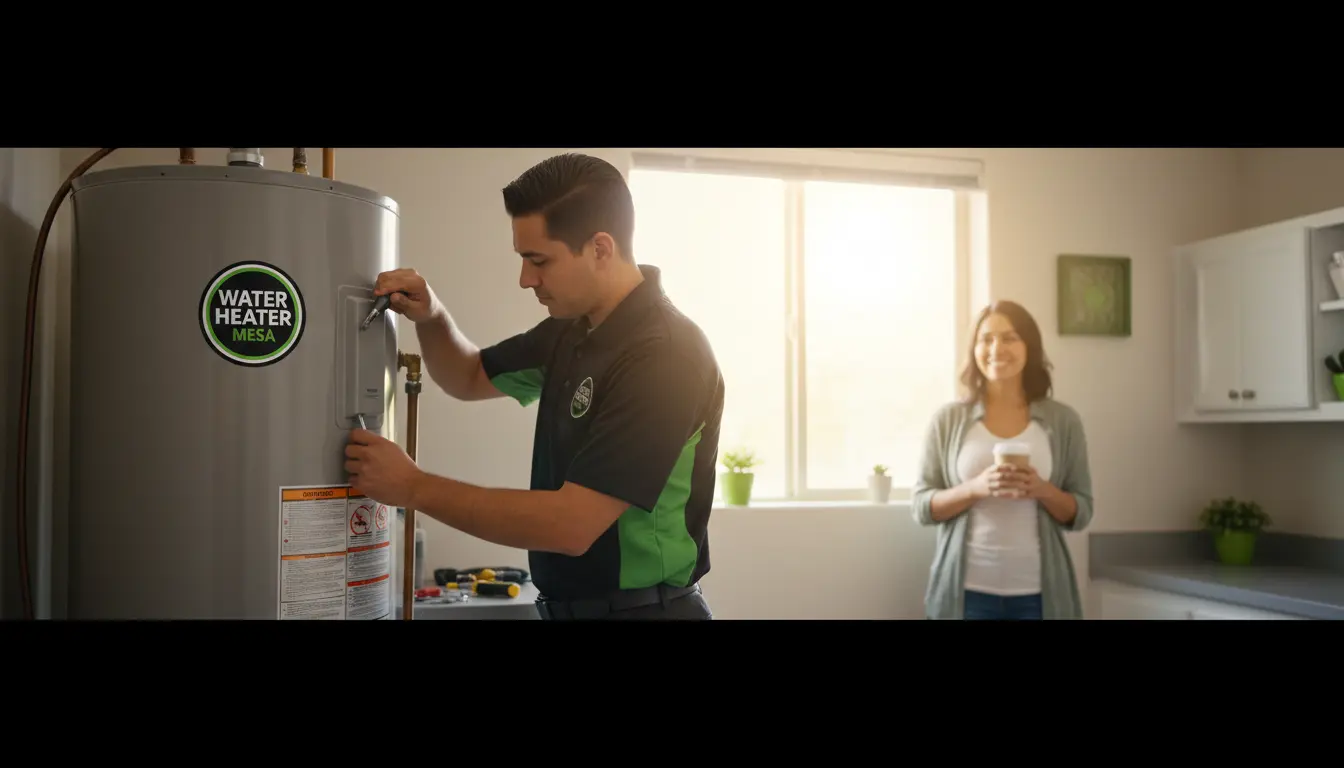
Imagine stepping into a refreshing shower after a long day in the Arizona heat, only to be met with a chilling blast of cold water. For residents of Mesa, where scorching summers demand reliable hot water, this nightmare can quickly turn into a major inconvenience. No hot water issues in your water heater aren’t just annoying—they can signal underlying problems that, if ignored, lead to costly repairs or even complete system failure. At Water Heater Repair Mesa, we’ve seen it all, from minor glitches in homes across Summerwind to more complex setups in Papago Park. But the good news? Many of these problems can be spotted early with a little know-how.
In this guide, we’ll walk you through the early warning signs of no hot water troubles, practical tips to prevent escalation, and when to call in the pros. Whether you’re a homeowner in Las Sendas juggling a busy family life or a property owner in Gilbert, arming yourself with this knowledge can save you time, money, and frustration. Let’s dive in and ensure your hot water flows uninterrupted.
Understanding the Basics of Water Heater Problems
Water heaters are the unsung heroes of our homes, quietly providing hot water for showers, dishwashing, and laundry. But like any appliance, they wear out over time, especially in Mesa’s hard water environment where mineral buildup is a common foe. No hot water issues often stem from a few key culprits, and recognizing them early is crucial.
Common Causes of No Hot Water
One of the most frequent reasons for sudden cold showers is a faulty thermostat. This small but mighty component regulates the water temperature, and when it malfunctions, your heater might not heat up at all. Another big player is sediment accumulation. Mesa’s water supply, rich in minerals like calcium and magnesium, causes sediment to settle at the bottom of your tank, insulating the burner and reducing efficiency. Over time, this can lead to overheating or complete shutdown.
Electrical issues are also prevalent, particularly in electric water heaters. A tripped circuit breaker or corroded heating elements can halt operations without warning. For gas models, a pilot light that won’t stay lit or a malfunctioning gas valve could be to blame. In our service calls around Power Ranch, we’ve diagnosed countless cases where ignoring these signs led to bigger headaches.
Don’t overlook age as a factor. If your unit is over 10-15 years old, it’s more prone to failures. Regular check-ups can extend its life, but proactive monitoring is key to spotting issues before they escalate.
Early Warning Signs to Watch For
The key to avoiding a full-blown no hot water crisis is vigilance. By paying attention to subtle cues, you can intervene before the problem worsens. Here’s what to look out for in your Mesa home.
Fluctuating Water Temperature
If your morning coffee water is scalding hot one day and barely warm the next, this inconsistency is a red flag. It often indicates a failing heating element or thermostat struggling to maintain balance. In tankless systems, common in energy-efficient Gilbert homes, flow rate issues can cause similar fluctuations. Track your usage patterns—if the hot water runs out faster than usual during peak times, like family dinners, it’s time to investigate.
Unusual Noises from the Unit
A healthy water heater operates quietly, but strange gurgling, popping, or rumbling sounds signal trouble. These noises typically come from sediment boiling against the tank walls, a precursor to efficiency loss and potential leaks. If you’re hearing this in your Summerwind garage or utility room, consider scheduling a strange noises diagnosis to pinpoint the issue early.
Discolored or Rusty Water
Turning on the tap to rusty or brownish water? This isn’t just unappetizing—it’s a sign of internal corrosion. The anode rod, designed to prevent tank rust, may have worn out, allowing minerals to react and discolor your water. In Mesa’s arid climate, this accelerates faster than you might think. Addressing it promptly prevents further damage and maintains water quality for your household.
Leaks and Puddles Around the Base
Water pooling under your water heater is never a good sign. Small drips might seem minor, but they can indicate a corroding tank or loose fittings. In humid months post-monsoon, distinguishing between condensation and a real leak is tricky, but persistent moisture demands attention. Early detection here can avoid water damage to your Papago Park flooring or walls.
Reduced Hot Water Supply
If your showers are shorter or the dishwasher struggles to clean, your heater might be struggling to recover. This partial no hot water issue often precedes total failure, caused by element burnout or valve problems. Monitor your hot water duration— if it’s dropping week by week, act fast.
Practical Tips for Prevention and Early Intervention
Spotting signs is half the battle; preventing them is where you take control. Here are actionable steps tailored for Mesa homeowners to keep your water heater in top shape.
Perform Regular Visual Inspections
Make it a monthly habit to check your unit. Look for rust spots, corrosion on the exterior, or any signs of wear on pipes and valves. In Las Sendas properties with limited space, ensure proper ventilation to prevent overheating. If sediment is suspected, our sediment removal service can flush it out efficiently, restoring performance without hassle.
Flush Your Water Heater Annually
Flushing removes sediment buildup, a must in hard water areas like Mesa. Turn off the power or gas, connect a hose to the drain valve, and flush until the water runs clear. This simple DIY task, done yearly, can boost efficiency by up to 20% and extend your heater’s life. For those uncomfortable with the process, professional maintenance ensures it’s done right.
Test the Pressure Relief Valve
This safety feature prevents explosions by releasing excess pressure. Test it biannually by lifting the lever briefly—hot water should flow, then stop when released. If it doesn’t, replace it immediately to avoid risks. In gas units, also inspect the burner for cleanliness; soot buildup can mimic no hot water symptoms.
Insulate and Maintain Temperature Settings
Set your thermostat to 120°F to balance safety and efficiency—Mesa’s warm climate makes higher settings unnecessary and risky. Insulate pipes to minimize heat loss, especially in older homes. For relocation needs during renovations, our water heater relocation experts can handle seamless moves without disrupting service.
Monitor Energy Bills for Clues
A sudden spike in utility costs? Your water heater might be working overtime due to inefficiency. Compare bills month-to-month; anomalies often point to heating element strain or leaks. Addressing these early prevents escalation and saves on Power Ranch energy expenses.
If noises persist despite cleaning, a burner assembly cleaning can eliminate debris and restore quiet operation.
FAQ: Common Questions About No Hot Water Issues
Why is my water heater not producing hot water at all?
This could be due to a power supply issue, tripped breaker, or failed heating element. For gas heaters, check the pilot light. In Mesa, hard water often contributes—start with a sediment flush.
How often should I service my water heater in Mesa?
Annually, at minimum, due to local water quality. Professional inspections catch issues like corrosion before they lead to no hot water scenarios.
Can I fix no hot water problems myself?
Minor tasks like resetting the thermostat or flushing sediment are DIY-friendly, but electrical or gas issues require pros to avoid hazards.
What if my old water heater finally gives out?
Replacement time! Opt for energy-efficient models. We offer old unit eco disposal to handle removal responsibly, ensuring compliance with local regulations.
Is no hot water an emergency?
If accompanied by leaks or gas smells, yes—call immediately. Otherwise, schedule soon to prevent escalation.
Conclusion: Stay Ahead of Water Heater Woes in Mesa
No hot water doesn’t have to disrupt your life in Mesa. By recognizing early signs like temperature fluctuations, odd noises, and leaks, and following preventive tips such as regular flushing and inspections, you can keep your system reliable year-round. From the family homes in Summerwind to the scenic properties in Papago Park, we’ve helped countless neighbors avoid escalation through timely intervention.
If you’re noticing any of these warning signs, don’t wait for a cold shower surprise. Contact Water Heater Repair Mesa today for expert diagnosis and repair. Our local team is ready to serve Gilbert, Las Sendas, and beyond—schedule your appointment now and enjoy uninterrupted hot water! Call us at (480) 123-4567 or visit our site to get started.
(Word count: 1247)