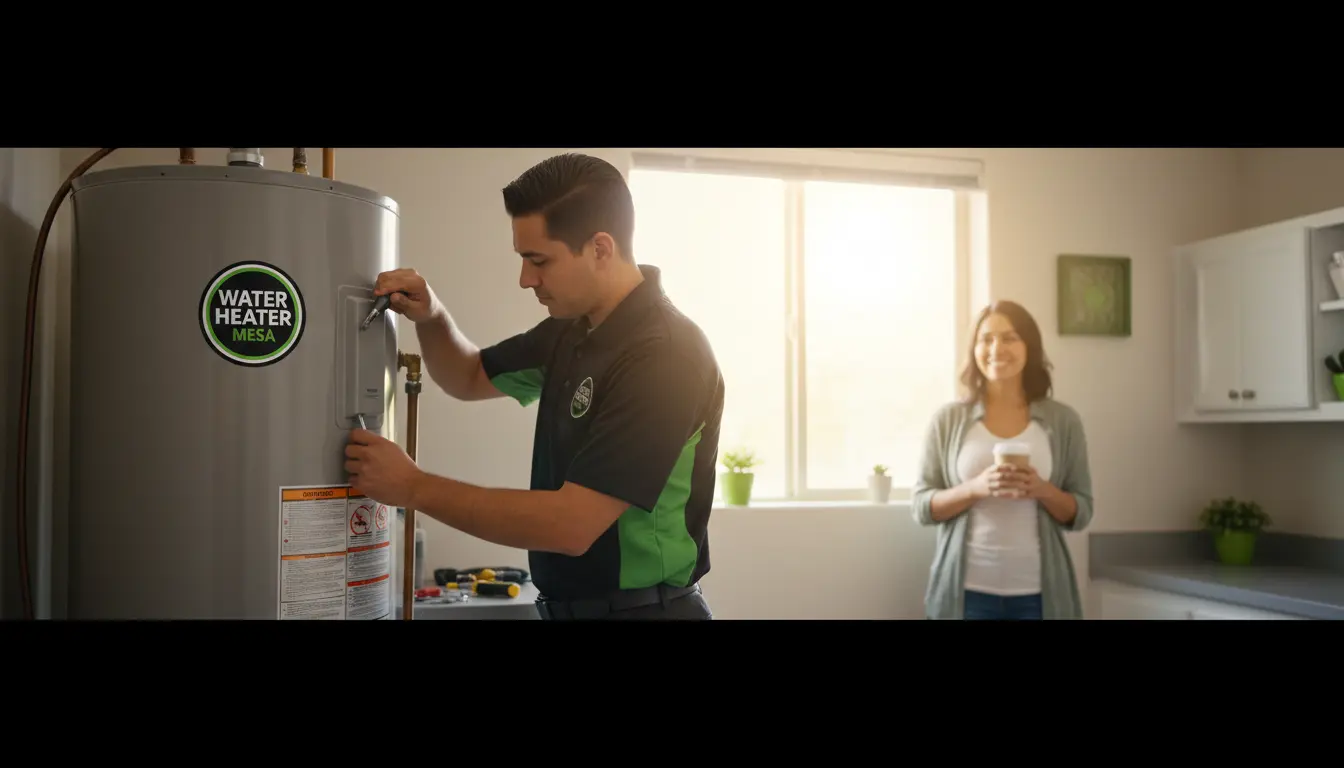
Living in Mesa, Arizona, means dealing with relentless summer heat that can push your home’s systems to the limit. Your water heater, in particular, works overtime to provide hot water for showers, dishwashing, and laundry during those triple-digit days. But with the intense Arizona sun baking everything, sediment buildup from hard water can clog your unit, reducing efficiency and lifespan. That’s where flushing comes in—a simple maintenance task that keeps your water heater running smoothly.
At Water Heater Repair Mesa, we’ve seen countless units revived through proper flushing, especially in our hot climate. In this guide, we’ll walk you through the process step by step, tailored for Mesa homeowners facing AZ’s unique water challenges. Whether you’re a DIY enthusiast or prefer professional help, these tips will ensure your hot water stays hot and your energy bills stay low. Let’s dive in and beat the heat!
Why Flushing Your Water Heater Matters in Mesa’s Hot Summers
Mesa’s water supply, sourced from the Salt River Project and groundwater, is notoriously hard, loaded with minerals like calcium and magnesium. In the sweltering AZ summers, when your water heater runs more frequently, these minerals settle at the bottom of the tank, forming sediment. This buildup insulates the tank, forcing the burner or heating element to work harder—up to 20% harder, according to energy experts.
The Risks of Skipping Maintenance
Neglecting to flush can lead to several issues:
- Reduced Efficiency: Sediment acts like a barrier, making it tougher to heat water and spiking your utility costs.
- Shorter Lifespan: Constant strain can cut your water heater’s life from 10-15 years to as little as 5-7.
- No Hot Water Emergencies: In peak summer, a clogged unit might fail entirely, leaving you without hot water during the hottest months.
If you’re experiencing no hot water troubleshooting issues, flushing could be the first line of defense. For Mesa residents in neighborhoods like Red Mountain Ranch or The Groves, where water quality varies, annual flushing is non-negotiable.
Tools and Materials You’ll Need
Before starting, gather these essentials to make the job safe and efficient. Most are available at local Mesa hardware stores like Home Depot on Dobson Road.
- Garden hose (at least 6 feet long)
- Wrench or pliers for the drain valve
- Bucket or shallow pan to catch initial water
- Screwdriver for the anode rod (if inspecting)
- Flashlight for visibility
- Safety gloves and eye protection
Pro tip: If your unit is gas-powered, ensure you have a way to shut off the gas line. For electric models, turn off the breaker. If you’re unsure about your setup, our thermostat replacement service experts can guide you.
Step-by-Step Guide to Flushing Your Water Heater
Flushing typically takes 1-2 hours and should be done every 6-12 months, more frequently in hard-water areas like Mesa. Turn off the power or gas first, then let the tank cool for a few hours to avoid burns.
Step 1: Shut Off the Water Supply and Drain the Tank
Locate the cold water inlet valve on top of the tank—it’s usually blue. Turn it clockwise to close. Attach your garden hose to the drain valve at the base (often red or black). Run the other end to a floor drain, outside, or into a utility sink. Open the drain valve with a wrench and let the water flow. Initially, it might be murky with sediment— that’s normal!
In Mesa’s hot summers, expect more buildup due to increased usage. If the water doesn’t drain well, gently tap the tank sides with a rubber mallet to loosen debris.
Step 2: Flush Out the Sediment
Once the tank is mostly empty, turn the cold water inlet back on briefly in short bursts (10-15 seconds each). This creates pressure to stir up and flush out sediment. Repeat 3-5 times until the water runs clear. Monitor the flow; if it’s sluggish, sediment is still present.
For enhanced cleaning, add a descaler like white vinegar (1-2 gallons) through the anode rod opening. Remove the rod with a socket wrench, pour in the vinegar, and let it sit for 30 minutes before flushing. This natural acid dissolves mineral deposits without harsh chemicals.
Step 3: Inspect and Replace the Anode Rod if Needed
While the tank drains, check the anode rod—a sacrificial magnesium or aluminum rod that prevents tank corrosion. Unscrew it and inspect for heavy pitting or thinning. If it’s less than 50% intact, replace it to extend your heater’s life.
Mesa’s mineral-rich water accelerates anode wear, so consider upgrading to an aluminum-zinc rod for better protection in our climate.
Step 4: Refill and Restart the System
Close the drain valve, remove the hose, and slowly reopen the cold water inlet. As the tank fills, open a hot water faucet in your home to bleed air from the lines—listen for sputtering, then steady flow. Once full, relight the pilot (for gas) or flip the breaker (for electric).
Test the water temperature at a faucet; it should stabilize at your set point (around 120°F for safety). If issues persist, it might be time for energy efficient upgrades to handle AZ heat demands.
Practical Tips for Mesa Homeowners
Tailored advice for our local conditions:
- Timing is Key: Flush in spring or fall to prep for summer strain. Avoid peak heat days when indoor temps soar.
- Water Softener Integration: If you have a softener, flush before and after regeneration cycles to maximize effectiveness.
- Monitor for Leaks: AZ’s dry air can mask slow leaks; check fittings post-flush.
- Eco-Friendly Disposal: For old sediment or faulty parts, use our old unit eco disposal service to handle waste responsibly.
Serving areas like Las Sendas and San Tan Valley, we recommend professional inspections if your unit is over 8 years old. Financing for replacement options makes upgrades affordable.
Common Mistakes to Avoid
Don’t rush the process—skipping the cooling step can cause scalding. Avoid using excessive force on valves, which can crack fittings. And never ignore unusual noises like rumbling; that’s sediment begging for a flush.
If you’re in Tempe or nearby, our team covers Tempe water heater services with the same expertise.
FAQ: Flushing Your Water Heater
How often should I flush my water heater in Mesa?
In hard-water areas like Mesa, flush every 6 months during hot summers to prevent efficiency loss.
Can I flush a tankless water heater the same way?
Tankless models require descaling with a vinegar solution, but consult a pro—our services handle both types.
What if water doesn’t drain during flushing?
Heavy sediment might clog the valve. Use a wire to clear it or call for no hot water troubleshooting.
Is flushing safe for older units?
For units over 10 years, professional help is best to avoid damage. We offer free assessments in Mesa.
Does flushing save on energy bills?
Yes! Removing sediment can improve efficiency by 10-20%, crucial in AZ’s high-usage summers.
Conclusion: Keep Your Hot Water Flowing Strong
Flushing your water heater is a straightforward way to combat Mesa’s harsh summers and hard water, ensuring reliable hot water when you need it most. By following these steps, you’ll extend your unit’s life, lower energy costs, and avoid unexpected breakdowns. But if DIY isn’t your thing or you spot issues, trust the experts at Water Heater Repair Mesa. We’re here for all your water heater needs, from routine maintenance to full replacements.
Ready to schedule a flush or inspection? Contact us today at Water Heater Repair Mesa for fast, reliable service in Mesa and surrounding areas. Don’t let the AZ heat leave you cold—call now!
(Word count: 1,248)