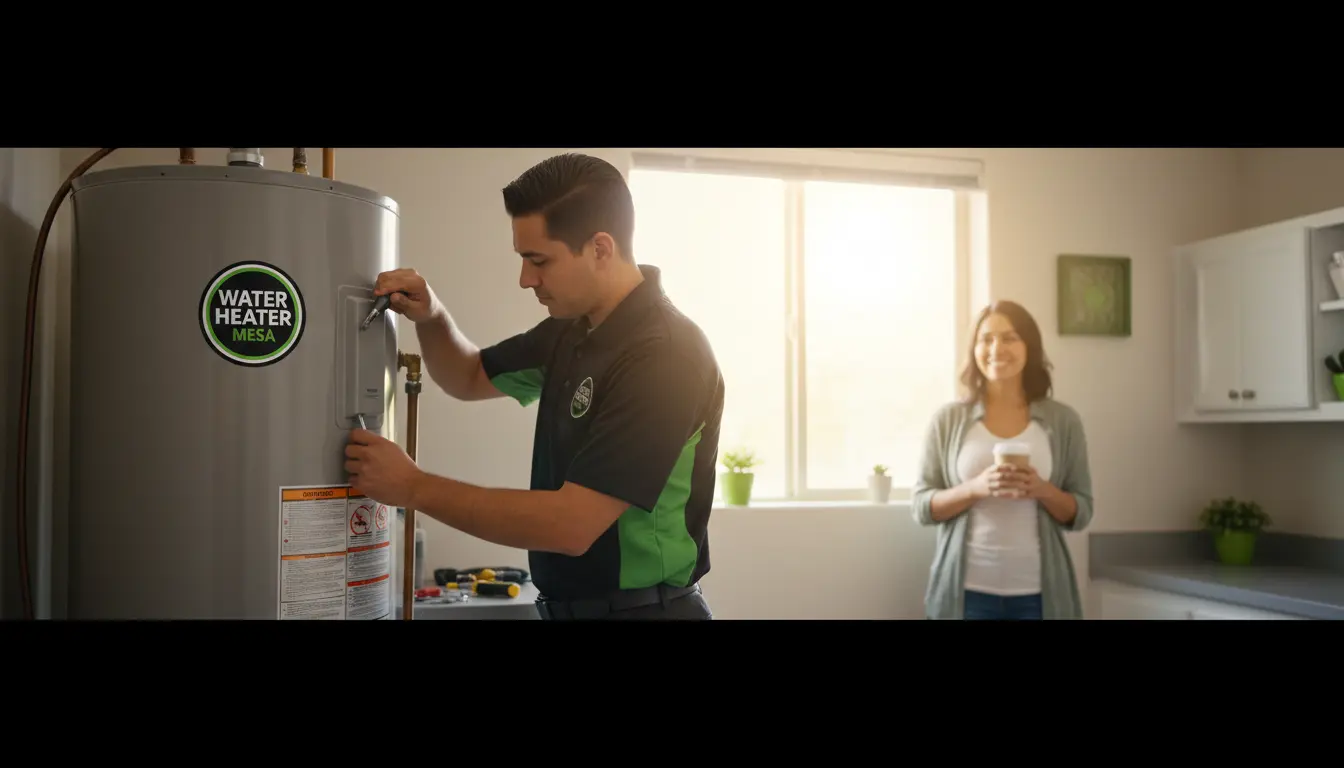
Imagine waking up on a scorching Mesa morning, only to step into a cold shower because your water heater is leaking everywhere. In the desert heat of Arizona, a reliable hot water supply is non-negotiable, especially for families in neighborhoods like Summerwind or Red Mountain. But leaks happen, and they can turn a minor annoyance into a major flood. At Water Heater Repair Mesa, we’ve seen it all—from rusty tanks to pressure problems—and we’re here to help you understand why your unit is dripping and how to fix it fast.
In this guide, we’ll dive into the most common causes of water heater leaks, share practical DIY tips for quick resolutions, and explain when it’s time to call in the pros. Whether you’re dealing with a sudden puddle in your Queen Creek home or a slow drip in Ocotillo, these insights will empower you to act swiftly and save on repair costs. Let’s get your hot water flowing again!
Understanding the Common Causes of Water Heater Leaks
Water heaters are hardworking appliances, but they’re not invincible. Over time, factors like age, water quality, and installation issues can lead to leaks. In Mesa’s hard water environment, mineral buildup accelerates many of these problems. Identifying the root cause is the first step toward a lasting fix.
1. Corrosion and Rust Buildup
One of the top culprits behind water heater leaks is internal corrosion. Your tank is constantly exposed to water and heat, which can cause the metal to rust over time. In areas like San Tan Valley, where water hardness is high, sediment and minerals speed up this process, leading to pinhole leaks in the tank walls.
Signs to Watch For: Look for discolored water coming from your faucets or rusty puddles around the base of the unit. If ignored, corrosion can compromise the entire tank, potentially requiring a full replacement.
Why It Happens in Mesa: The local water supply, rich in calcium and magnesium, promotes scale formation that traps moisture against the tank, fostering rust. Regular maintenance is key to preventing this in our arid climate.
2. Excessive Water Pressure
High water pressure is another frequent reason for leaks, especially in older Mesa homes built before modern pressure regulators became standard. When pressure exceeds 80 PSI, it stresses fittings, valves, and the tank itself, causing seals to fail and water to seep out.
Signs to Watch For: Listen for banging noises in your pipes (water hammer) or notice leaks around the pressure relief valve. In hot Arizona summers, fluctuating municipal water pressure can exacerbate this issue.
Local Insight: Many residents in established neighborhoods like Red Mountain experience this due to aging infrastructure. Installing an expansion tank installation can help absorb excess pressure and prevent future leaks.
3. Loose or Faulty Connections
Temperature and pressure fluctuations can loosen pipe fittings, valves, and connections over time. A small gap here or there might seem minor, but it can lead to steady dripping that wastes water and energy.
Signs to Watch For: Water pooling under the unit or around inlet/outlet pipes. This is common in tankless models too, where vibrations from operation loosen components.
Mesa-Specific Tip: With our extreme temperature swings—from 110°F days to cooler nights—expansion and contraction of materials make loose connections even more prevalent. Tightening them yourself is a quick win, but always check for underlying damage.
4. Faulty Temperature and Pressure Relief (T&P) Valve
The T&P valve is your water heater’s safety feature, releasing excess pressure to prevent explosions. However, if it’s defective or worn out, it can leak constantly, mimicking other issues.
Signs to Watch For: Drips directly from the valve or discharge pipe. Test it annually by lifting the lever briefly—if it doesn’t seal properly afterward, it’s time for replacement.
Pro Advice: In Mesa’s hard water areas, sediment can clog the valve, reducing its effectiveness. Our team at Water Heater Repair Mesa often handles these during routine thermostat replacement service visits, as thermostat issues can indirectly affect pressure.
5. Age and Wear on the Tank
Water heaters typically last 8-12 years, but in Mesa’s demanding conditions, they may wear out faster. Cracks in the tank from thermal fatigue or manufacturing defects can cause leaks that start small but grow quickly.
Signs to Watch For: Leaks from the bottom or sides of the tank, especially if your unit is over a decade old.
When to Act: If your heater is nearing the end of its life, consider eco-friendly disposal options. We offer old unit eco disposal to handle replacements sustainably, ensuring your old tank is recycled properly without harming the environment.
Quick Fixes: DIY Solutions for Water Heater Leaks
Before calling a professional, try these safe, actionable steps to stop minor leaks. Remember, if you’re uncomfortable or the issue persists, shut off the water supply and power to avoid hazards. These tips are tailored for Mesa homeowners facing everyday plumbing woes.
Tighten Loose Fittings and Connections
Start simple: Use a wrench to gently tighten any visible loose nuts or fittings around pipes and valves. Avoid over-tightening, as this can strip threads or crack components.
Step-by-Step:
- Turn off the water supply and let the unit cool.
- Wipe away moisture and inspect for drips.
- Tighten clockwise with an adjustable wrench, checking for leaks after turning water back on.
Pro Tip: In hard water areas like Queen Creek, apply pipe dope or Teflon tape to threads for a better seal. This can buy you time until a full inspection.
Drain and Flush the Tank to Remove Sediment
Sediment buildup at the bottom of your tank insulates the water, forcing the burner to work harder and potentially causing leaks from overheating. Flushing annually prevents this.
Step-by-Step:
- Connect a garden hose to the drain valve at the base.
- Run the other end to a safe drain or outside (Mesa’s dry climate makes outdoor draining easy).
- Open the valve and flush until water runs clear— this might take 20-30 minutes.
Mesa Benefit: Flushing not only stops leaks but improves efficiency, saving on energy bills during our long hot seasons. If burner issues are involved, our burner assembly cleaning service can deep-clean for optimal performance.
Replace the T&P Valve if It’s Faulty
If the valve is the source, a replacement is straightforward and inexpensive—about $20 for the part.
Step-by-Step:
- Shut off power and water.
- Place a bucket under the valve to catch water.
- Unscrew the old valve and install the new one with thread sealant.
- Test by lifting the lever once water is restored.
Safety Note: Always wear gloves and eye protection. If pressure seems off, an expansion tank might be needed to complement this fix.
Monitor and Adjust Thermostat Settings
An overly high thermostat can build excess pressure, leading to leaks. Lower it to 120°F for safety and efficiency.
Quick Action: Access the thermostat dial (usually behind an access panel) and adjust while the unit is off. This simple tweak prevents many pressure-related drips.
When to Call Water Heater Repair Mesa for Professional Help
DIY fixes work for minor issues, but some leaks signal bigger problems requiring expert intervention. In Mesa, where water quality and heat stress systems, don’t delay—leaks can lead to mold, water damage, and skyrocketing utility bills.
Signs You Need Pros:
- Leaks from the tank itself (indicating corrosion or cracks).
- Persistent dripping after DIY attempts.
- Unusual noises, discolored water, or no hot water.
- Units over 10 years old.
We proudly serve all of Mesa and surrounding areas, including Summerwind and San Tan Valley, with licensed technicians equipped for any job. For urgent situations—like a midnight leak flooding your Ocotillo garage—our 24/7 emergency response team is just a call away. We diagnose root causes, perform repairs, and offer maintenance plans to keep your system leak-free year-round.
Local Expertise: Understanding Mesa’s unique challenges, like hard water and extreme temps, we use specialized tools and parts for durable results. Past clients in Red Mountain rave about our same-day service that prevented costly water damage.
FAQ: Common Questions About Water Heater Leaks
1. How do I know if my water heater leak is dangerous?
If the leak is from the T&P valve or a small fitting, it’s often manageable. But leaks from the tank or accompanied by gas smells require immediate shutoff and professional help to avoid floods or hazards.
2. Can I fix a leaking water heater myself in Mesa?
For minor issues like loose connections, yes—with basic tools. However, for tank corrosion or pressure problems, call experts to prevent further damage in our hard water environment.
3. How often should I maintain my water heater to prevent leaks?
Flush the tank every 6-12 months and inspect annually. In Mesa, we recommend professional tune-ups twice a year due to mineral buildup.
4. What’s the average cost of water heater leak repair in Mesa?
DIY fixes are free, but professional repairs range from $150-$500, depending on the cause. Full replacements start at $800. Get a free quote from Water Heater Repair Mesa!
5. Does water softener help prevent leaks?
Absolutely—softening hard Mesa water reduces sediment and corrosion. Pair it with regular burner assembly cleaning for longevity.
Conclusion: Don’t Let Leaks Ruin Your Day—Act Now!
Water heater leaks don’t have to disrupt your life in Mesa. By recognizing common causes like corrosion, pressure, and loose fittings, and applying quick fixes like flushing or tightening, you can often resolve issues swiftly. But for peace of mind, trust the local experts at Water Heater Repair Mesa. We’re committed to fast, reliable service across neighborhoods like Queen Creek and Ocotillo, ensuring your home stays comfortable and dry.
Ready to stop the drip? Contact Water Heater Repair Mesa today for a free consultation or emergency repair. Call (480) XXX-XXXX or visit our site to schedule—hot water awaits!
(Word count: 1,248)