Most homeowners think of plumbing problems as separate issues. A water heater stops producing hot water, a sink drains slowly, or a shower starts backing up. But many plumbing problems can be connected, especially when buildup, restricted flow, or aging pipes are involved.
If you’re dealing with a clogged sink, slow shower, or recurring backup, it may be tempting to treat the problem as a one-time inconvenience. In some cases, however, the blockage can be a sign that something else is happening inside the plumbing system.
For Mesa homeowners, understanding the connection between plumbing maintenance and drainage problems can help prevent small issues from becoming larger ones.
Can a Plumbing Problem Cause a Clogged Drain?
Yes, certain plumbing conditions can contribute to drainage problems.
A drain can become restricted because of grease, hair, food particles, mineral deposits, sediment, or other buildup inside the pipe. Plumbing components that aren’t draining properly can also create conditions where water and debris move more slowly through the system.
However, not every clogged drain is caused by the same problem.
A bathroom sink clog may have a completely different cause from a kitchen blockage or a main sewer-line restriction.
That’s why it’s important to look at the symptoms rather than assuming every clog needs the same solution.
How Plumbing Problems and Drainage Issues Can Be Connected
Your home’s plumbing system is made up of multiple connected components.
Water enters the home through supply lines, is distributed to fixtures and appliances, and wastewater leaves through the drainage system.
When something affects normal flow, other parts of the system can sometimes show symptoms.
For example, homeowners may notice:
- A sink draining slowly
- A bathtub holding standing water
- A shower backing up
- Gurgling sounds from a drain
- Several fixtures draining slowly
- Repeated clogs
- Unpleasant drain odors
- Water backing up through a fixture
One isolated symptom doesn’t necessarily indicate a major plumbing problem. But when several signs occur together or the same problem keeps returning, it’s worth investigating.
Could a Water Heater Problem Cause a Drain Clog?
A water heater and a home’s drainage system perform different jobs, so a water heater problem doesn’t normally cause a typical sink or shower clog directly.
However, water-related plumbing issues can sometimes occur at the same time.
For example, homeowners may notice water around the water heater, reduced hot-water performance, or other plumbing problems while also experiencing drainage issues.
The important thing is to identify the actual source of each problem rather than assuming they’re connected.
If your water heater isn’t working correctly, addressing the problem early can help prevent a small plumbing issue from becoming more disruptive. If you’re unsure whether you need service, learn more about water heater repair in Mesa, AZ and the common signs that indicate professional attention may be needed.
Hard Water and Mineral Buildup in Mesa
Mineral buildup is another consideration for homeowners dealing with recurring plumbing problems.
Over time, deposits can accumulate inside plumbing components and pipes. When buildup becomes significant, it can contribute to reduced flow and other plumbing issues.
Mineral deposits may be more noticeable around fixtures, faucets, showerheads, and other areas where water regularly passes.
If a drain becomes slower over time rather than suddenly stopping, buildup may be one of the possible causes.
A professional can determine whether the problem is a simple blockage or whether buildup inside the plumbing needs to be addressed.
Signs Your Drain Problem May Be More Serious
A single clogged drain doesn’t necessarily mean you have a major plumbing issue.
However, some symptoms deserve more attention.
1. The Same Drain Keeps Clogging
If you clear a drain and it becomes clogged again shortly afterward, the blockage may not have been completely removed.
Recurring clogs can be associated with buildup, deeper restrictions, or other plumbing problems.
2. Several Drains Are Slow
If the kitchen sink, bathroom sink, bathtub, or shower are all draining slowly, the problem may be located farther into the drainage system.
A blockage affecting several fixtures shouldn’t be treated the same way as an isolated sink clog.
3. Water Backs Up Into Another Fixture
Water appearing in a bathtub when another fixture is being used can indicate a drainage restriction.
This can be a sign that wastewater isn’t moving through the system normally.
4. You Hear Gurgling
Gurgling sounds can occur when water and air aren’t moving normally through the plumbing.
If gurgling happens together with slow drainage or backups, it’s worth having the system evaluated.
5. The Problem Keeps Getting Worse
A drain that gradually becomes slower may indicate that a restriction is developing.
Ignoring the problem until the drain stops completely can make the situation more disruptive.
What Should You Do About a Clogged Drain?
The right response depends on the severity of the problem.
For a minor isolated clog, homeowners may be able to try basic maintenance.
You can start by:
- Removing visible debris
- Cleaning the drain stopper
- Using a plunger
- Cleaning the drain strainer
- Keeping grease out of kitchen drains
- Using screens to catch hair and debris
If the problem doesn’t improve or keeps returning, professional evaluation may be appropriate.
For homeowners who need professional drain cleaning in Mesa, the first step is determining where the restriction is located and what is causing it.
When Is Drain Snaking Used?
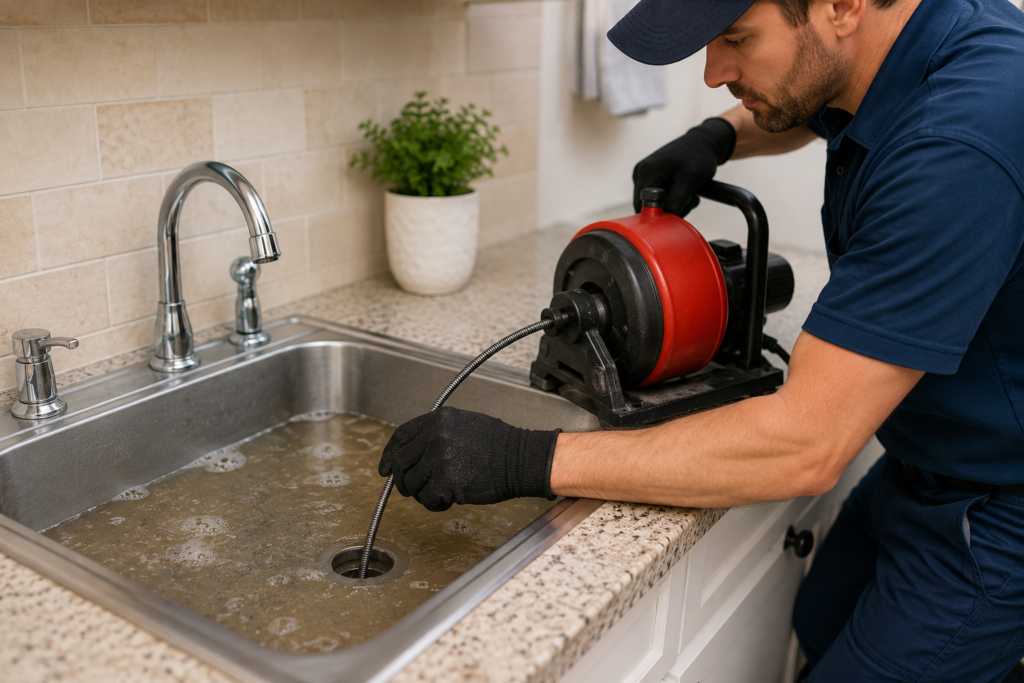
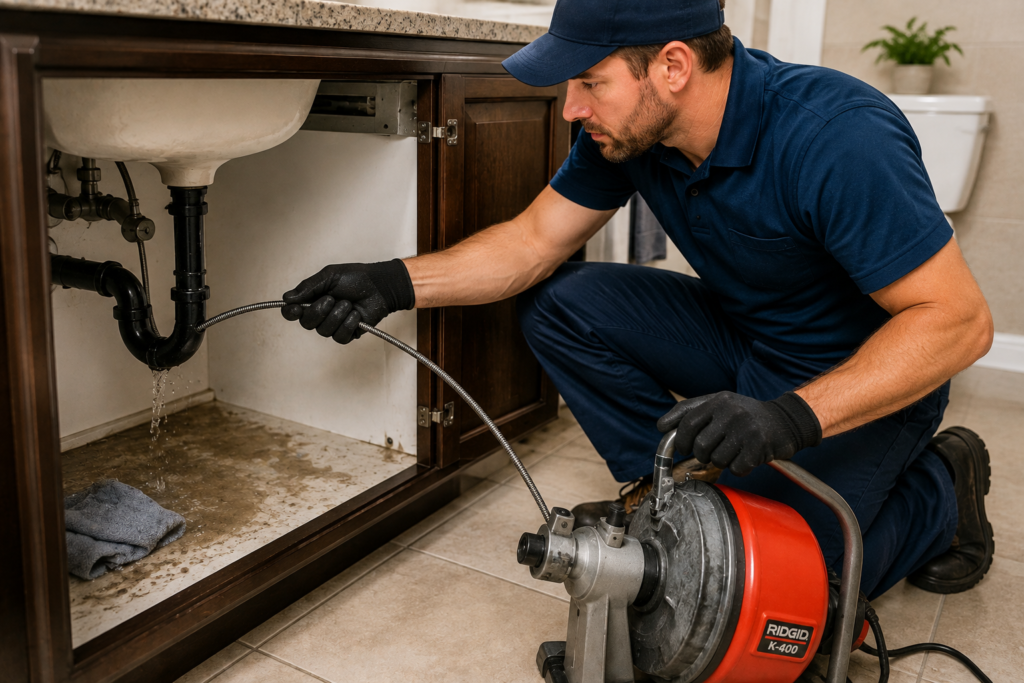
Drain snaking is one method professionals may use to address certain blockages.
A flexible cable is inserted into the plumbing to reach and break through or remove an obstruction.
It can be useful for certain types of clogs, but it isn’t necessarily the best solution for every drainage problem.
If a drain keeps clogging after it has been cleared, there may be additional buildup or another restriction farther inside the plumbing.
When Might Hydro Jetting Be Considered?
Hydro jetting uses high-pressure water to clean the inside of certain plumbing lines.
Depending on the condition of the pipe and the material causing the restriction, hydro jetting may help remove:
- Grease
- Sediment
- Organic material
- Deposits
- Other buildup
Hydro jetting isn’t necessary for every clogged drain.
The condition of the plumbing should be considered before this type of cleaning is recommended.
Could a Hidden Plumbing Leak Be Part of the Problem?
Not every plumbing problem is visible.
A leak can sometimes develop beneath a home’s slab or in another concealed section of the plumbing system. Signs may include unexplained moisture, warm or damp areas, unusually high water usage, or recurring water problems without an obvious source.
A hidden leak isn’t the same as a clogged drain, but both can indicate that the plumbing system needs professional attention.
If you suspect a leak beneath the concrete foundation, slab leak repair in Mesa can help address a problem that may otherwise remain hidden.
Could a Clogged Drain Lead to Water Damage?
A clogged drain doesn’t automatically result in water damage.
The problem becomes more concerning when a blockage causes water to back up or overflow.
For example, a severe kitchen sink blockage could cause wastewater to overflow onto cabinets or flooring. A backed-up bathtub could leave standing water around flooring and nearby materials.
If water escapes from the plumbing and isn’t cleaned up promptly, moisture can affect surrounding materials.
If a plumbing backup has already affected flooring, drywall, cabinets, or other parts of the home, water damage restoration in Mesa may be needed to address the resulting moisture damage.
A leaking water heater can also create moisture problems if water escapes for an extended period. Homeowners can learn more about how a leaking water heater can cause water damage and why early attention matters.
How Can Mesa Homeowners Prevent Drain Problems?
You can’t prevent every plumbing blockage, but a few simple habits can reduce avoidable problems.
Don’t Pour Grease Down the Drain
Grease can stick to the inside of pipes and contribute to buildup.
Allow cooking grease to cool and dispose of it properly instead of washing it into the kitchen sink.
Use Drain Screens
Drain screens can catch hair, food particles, and other debris before they enter the plumbing.
Be Careful What Goes Down the Toilet
Toilets should not be treated like trash cans.
Avoid flushing materials that aren’t designed to break down easily in plumbing systems.
Don’t Ignore Slow Drainage
A slow drain can be an early warning sign.
If a drain continues getting slower, investigate the cause instead of waiting for a complete blockage.
Don’t Rely on Chemical Drain Cleaners
Chemical drain cleaners may provide temporary relief for certain minor clogs, but they don’t necessarily address recurring problems.
If a drain repeatedly becomes blocked, identifying the cause is usually more useful than repeatedly treating the symptom.
What About Recurring Kitchen Drain Clogs?
Kitchen drains are particularly vulnerable to buildup.
Food particles, grease, oils, and other debris can enter the drain during everyday use.
Over time, this material can accumulate and restrict the opening inside the pipe.
If your kitchen drain is repeatedly slow or clogged, basic maintenance may not be enough.
You can review these DIY tips for clearing kitchen drains in Mesa homes for basic prevention and maintenance ideas.
If the problem keeps returning, professional evaluation can help determine whether the restriction is closer to the fixture or farther inside the plumbing.
When Should You Call a Professional?
Consider professional drain service when:
- The same drain repeatedly becomes clogged
- Multiple fixtures are affected
- Water backs up into another fixture
- You hear persistent gurgling
- A drain stops working completely
- DIY methods don’t resolve the problem
- You notice recurring backups
- You suspect a deeper plumbing restriction
The goal isn’t simply to get water moving again.
It’s to determine what is causing the problem and choose an appropriate solution.
Could the Problem Be in the Sewer Line?
If several drains throughout the home are affected, the issue may be farther down the drainage system.
Possible warning signs include:
- Multiple slow drains
- Frequent backups
- Sewer odors
- Gurgling from multiple fixtures
- Wastewater returning through drains
- Recurring whole-house drainage problems
These symptoms don’t automatically mean the sewer line is blocked, but they can justify further evaluation.
A professional can determine whether the issue is limited to one fixture, a branch drain, the main drain, or the sewer line.
How Much Does Drain Cleaning Cost?
There isn’t one price that applies to every drain cleaning job.
The cost can depend on:
- Location of the blockage
- Severity of the problem
- Accessibility
- Type of drain
- Equipment required
- Amount of buildup
- Whether multiple fixtures are affected
- Whether inspection is necessary
A simple bathroom sink clog can require a very different level of work than a deep main-line restriction.
For that reason, homeowners should ask what is included in the service and what factors could affect the final cost.
How Drain Maintenance Can Help Protect Your Plumbing
Regular maintenance isn’t just about keeping drains flowing.
It can also help homeowners notice changes in their plumbing before a small issue becomes a major backup.
Watch for:
- Slower-than-normal drainage
- Recurring clogs
- Strange noises
- Unusual odors
- Standing water
- Multiple affected fixtures
If you notice these symptoms, don’t automatically assume they’re normal.
Identifying a developing problem early can give you more options for addressing it.
When Should You Repair or Replace a Water Heater?
Drain problems aren’t the only plumbing issue Mesa homeowners may face.
If your water heater is older, leaking, repeatedly losing hot water, or requiring frequent repairs, it may be time to consider whether repair or replacement makes more sense.
Before making that decision, learn when to repair or replace your water heater based on its age, condition, and repair history.
Final Thoughts
A clogged drain and a plumbing problem aren’t always directly connected, but they can sometimes be symptoms of broader issues within the home’s plumbing system.
A single slow sink may be nothing more than a localized blockage. But recurring clogs, multiple slow drains, backups, gurgling sounds, and other unusual symptoms deserve closer attention.
For Mesa homeowners, the best approach is to identify the cause instead of repeatedly treating the same symptom.
If you need professional drain cleaning in Mesa, having the drainage system evaluated can help determine whether the problem requires basic cleaning, drain snaking, hydro jetting, pipe descaling, or another solution.
If you also notice signs of a hidden plumbing leak, getting the issue checked early can help prevent additional damage.
And if a plumbing backup has already caused moisture damage, prompt cleanup can help protect the affected areas of your home.
A little attention to slow drains and recurring plumbing problems can help you avoid a much more disruptive backup later.
Leave a Reply