When a water heater starts acting up, the first question most Mesa homeowners ask is whether it’s worth fixing or time to replace it. The answer depends on the age of your unit, the specific problem, how often it’s needed attention, and what the repair actually costs compared to a new system. This guide walks through the factors that matter most so you can make a confident decision.
Start With the Age of Your Water Heater
Most storage-tank water heaters last somewhere between 8 and 12 years, while tankless units often run longer with proper maintenance. If your unit is still within its expected lifespan and the problem is isolated to one component, repair is usually the more practical choice. Once a heater is approaching or past the upper end of that range, a repair may only be a short-term fix before another issue shows up.
When Repair Makes Sense
Repair is typically the right call when the problem involves a single, identifiable part rather than the tank itself. Common repairable issues include:
- A pilot light that won’t stay lit
- A faulty thermostat causing inconsistent temperatures
- Sediment buildup affecting heating performance
- A worn-out heating element in an electric unit
- Minor valve or fitting leaks (not the tank itself)
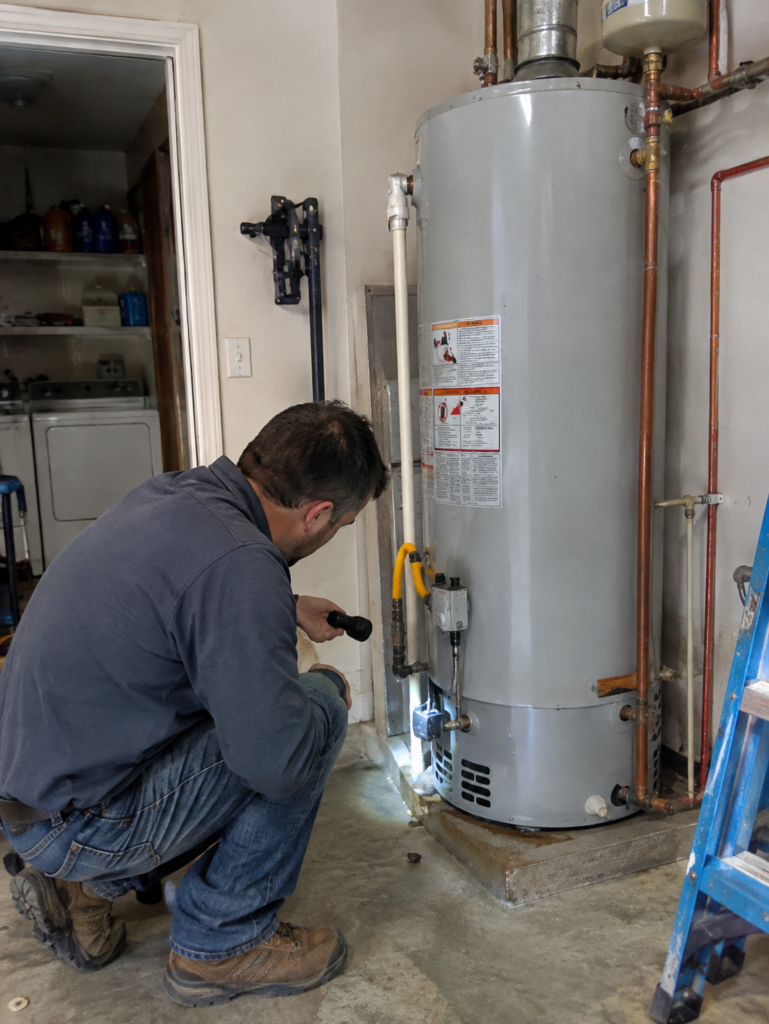
If you’re dealing with one of these symptoms and your unit isn’t near the end of its expected life, scheduling a gas water heater repair or the equivalent electric service can often resolve the issue without the expense of a full replacement.
When Replacement Makes Sense
Some situations point clearly toward replacement rather than repair:
- The tank itself is leaking or rusted through
- The unit is older than 10-12 years and repairs are becoming frequent
- The repair cost is climbing close to what a new unit would cost
- You’re consistently running out of hot water even after previous repairs
A leaking tank in particular is not something to wait on. Water damage from a failed tank can affect flooring, drywall, and nearby belongings quickly. If you’re seeing water pooling at the base of your unit, it’s worth having it looked at through our leaking water heater fix service before deciding on next steps.
How Mesa’s Hard Water Affects the Decision
Mesa’s water carries a higher mineral content than many other regions, which speeds up sediment buildup inside storage tanks. Over time, this buildup reduces efficiency, strains components, and can shorten a water heater’s usable life. Homeowners who keep up with regular water heater flush maintenance tend to get more years out of their unit before replacement becomes necessary, so maintenance history is worth factoring into the repair-or-replace conversation.
Weighing the Cost
Repairs are almost always less expensive upfront than a full replacement, but that’s not the whole picture. If your unit needs a second or third repair within a short window, the cumulative cost can start to approach what a new system would run. For a more detailed cost breakdown by repair type and installation, see our average water heater costs guide for Arizona homes.
Is Tankless Worth Considering as a Replacement?
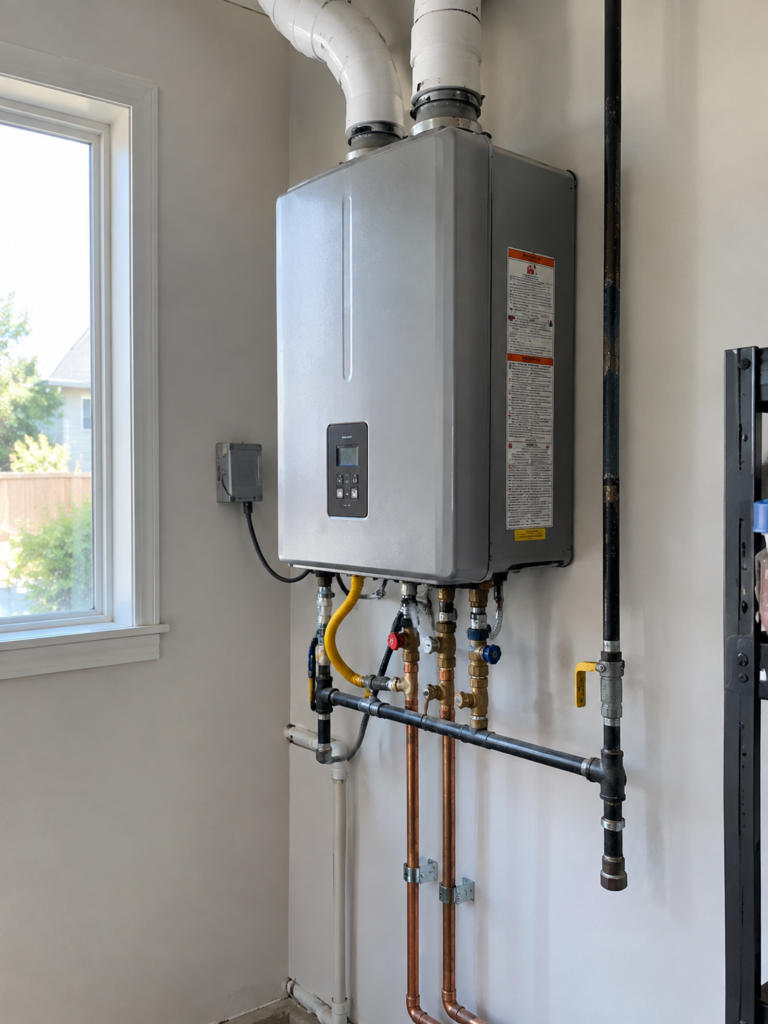
If you’ve decided replacement makes sense, it’s worth weighing tankless as an option rather than defaulting to another storage-tank unit. Tankless systems take up less space, tend to last longer, and heat water on demand rather than maintaining a full tank around the clock. Our tankless water heater installation page covers what’s involved if you’re weighing this route. For a walkthrough of what a standard replacement installation looks like, our guide to installing a new water heater covers the process step by step.
Watch for Early Warning Signs
Catching a problem early gives you more room to choose repair over an emergency replacement. Rusty water, unusual tank noises, and inconsistent temperatures are all signs worth paying attention to before they turn into a bigger failure – our post on signs your water heater is about to fail breaks down what to look for.
Getting a Professional Opinion
Age and symptoms can point you in a direction, but the most reliable way to know whether repair or replacement makes sense is to have the unit inspected directly. A technician can check the tank condition, test individual components, and give you a clear picture of what’s actually causing the problem before you commit to either option. You can view our full range of water heater services or call to schedule an inspection.
Frequently Asked Questions
How do I know if my water heater is beyond repair?
If the tank itself is leaking or rusted, or if you’ve had multiple repairs within the past year, replacement is usually the more cost-effective long-term choice.
Is it cheaper to repair or replace a water heater?
Repair is typically cheaper upfront for isolated issues. Replacement becomes more cost-effective when repairs are frequent or the unit is near the end of its expected lifespan.
How long do water heaters last in Arizona?
Most storage-tank units last 8-12 years, though Mesa’s hard water can affect that timeline depending on maintenance history.
Can a leaking water heater be repaired instead of replaced?
It depends on the source of the leak. A loose valve or fitting can often be repaired, but a leak from the tank itself typically means replacement is necessary.
Schedule a Water Heater Inspection in Mesa, AZ
If you’re unsure whether your water heater needs a repair or a replacement, getting a professional inspection is the fastest way to find out. Call (480) 393-5426 for a transparent estimate and to schedule a visit.
Leave a Reply